
Denmark
Top-tier reputation, strong treaties and a holding regime that actually works.
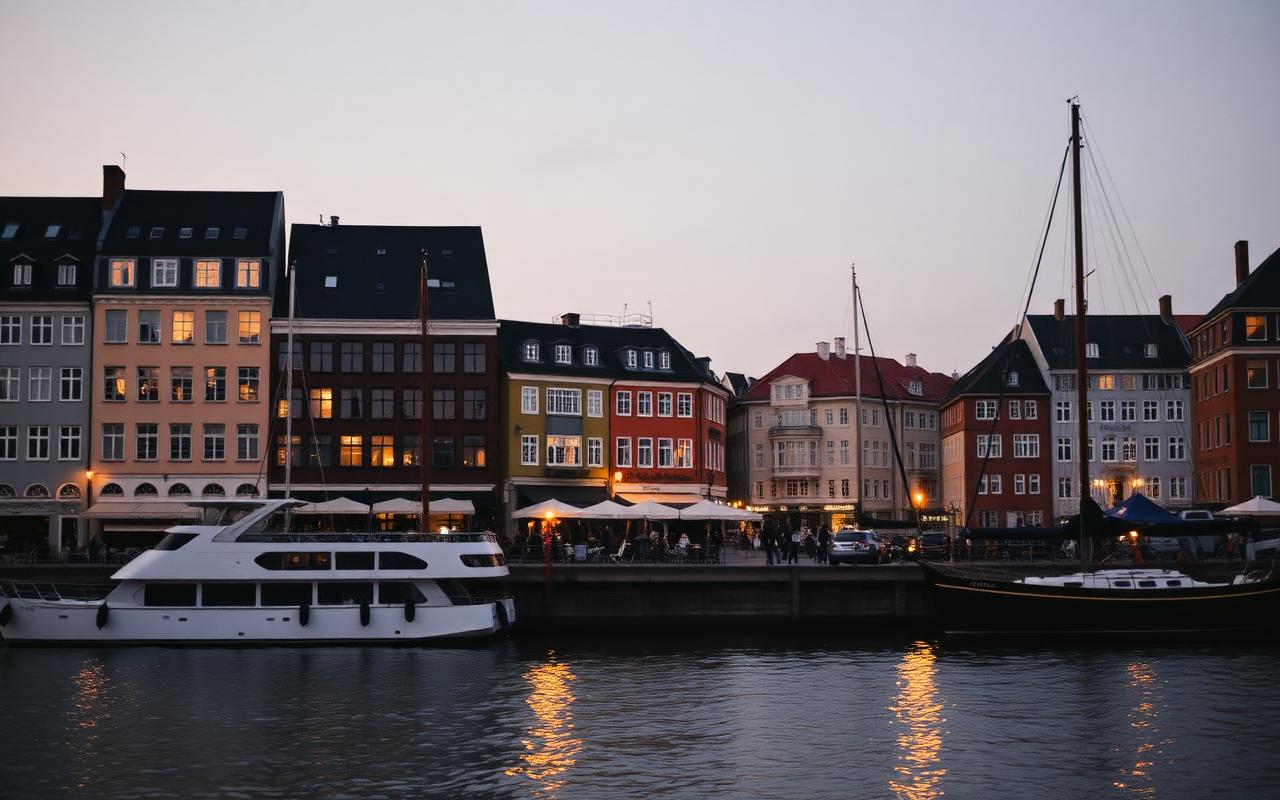
Denmark is not a low-tax jurisdiction, and that is the point. A Danish holding company carries none of the reputational baggage of offshore alternatives, receives dividends from subsidiaries and disposes of qualifying shareholdings tax-free, and opens doors with banks, regulators and acquirers that a Caribbean entity never will.
For founders building toward an institutional exit or a listing, the marginal tax cost of a reputable holding jurisdiction is usually smaller than the transaction friction of an opaque one.
Where Denmark fits
- Reputable EU holding
- Nordic operations
- IP and licensing
Banking landscape
Danske Bank, Nordea, Jyske Bank and Sydbank serve corporate clients, alongside a strong Nordic fintech sector. Onboarding is rigorous and favours companies with Danish directors or genuine Nordic operations, but once open the relationship is stable and internationally accepted.
Tax & reporting
22% corporate income tax. Dividends from subsidiary and group shares (10%+ holdings) are tax exempt, as are capital gains on those shares regardless of holding period. No withholding tax on dividends to EU/EEA parents or treaty partners meeting beneficial-ownership tests. Extensive treaty network.
Substance & register visibility
Denmark is fully transparent: ownership, accounts and beneficial owners are publicly filed with the Danish Business Authority. The tax authority actively tests beneficial-ownership substance following the Danish cases at the CJEU, so conduit arrangements without substance fail.
When to pick this jurisdiction
Pick Denmark when reputation is a structuring objective — pre-IPO groups, institutional joint ventures, and any group where the holding company's jurisdiction will be diligenced by an acquirer.
Written up as a comparative shortlist.
Every Denmark recommendation is delivered as a comparative memorandum — substance defensibility, banking access, treaty coverage, register visibility, cost to maintain and reputational risk — so the client can see the trade-offs before committing.
Considering Denmark? Get a written comparison first.
Answer six questions and a director will come back with a shortlist, indicative costs and banking route.
Questions we hear on every Denmark intake.
- Why use a 22% jurisdiction for holding?
- Because the participation exemption means dividends and exit gains flow through tax-free, and the reputational cost of an offshore holdco often exceeds the tax saved.
- How fast is a Danish ApS to form?
- Three to ten working days with a minimum capital of DKK 40,000, filed online through the Business Authority.
- Are Danish companies suitable for non-EU owners?
- Yes, though banking onboarding is easier with a Danish or EU-resident director, which we generally build into the structure.
What we typically deliver in Denmark
Corporate Structuring
Multi-jurisdictional holding groups, IP-routing structures, JV vehicles and re-domiciliations.
AdvisoryDeal & Exit Structuring
Pre-sale structuring for founders facing 7-, 8- or 9-figure liquidity events.
BankingInternational Banking
Warm introductions to 25+ active private and corporate banks — UK, EU, GCC, APAC, Caribbean, US.
ComplianceFiduciary & Compliance
Independent directors, AML programme design, economic substance and middle-office coordination.
More Europe jurisdictions & related insights
Every engagement begins with a twenty-minute director-led call. Fixed fees, in writing, before any work begins.